Poliomyelitis
Etiology
The virus is shed by infected people (usually children) through faeces, where it can spread quickly, especially in areas with poor hygiene and sanitation systems.
Transmission
The virus is shed by infected people (usually children) through faeces, where it can spread quickly, especially in areas with poor hygiene and sanitation systems.
Symptoms
The incubation period is usually 7–10 days but can range from 4–35 days. The virus enters the body through the mouth and multiplies in the intestine. It then invades the nervous system. Up to 90% of those infected experience no or mild symptoms and the disease usually goes unrecognized. In others, initial symptoms include fever, fatigue, headache, vomiting, stiffness in the neck, and pain in the limbs. These symptoms usually last for 2–10 days and most recovery is complete in almost all cases. However, in the remaining proportion of cases the virus causes paralysis, usually of the legs, which is most often permanent. Paralysis can occur as rapidly as within a few hours of infection. Of those paralysed, 5-10% die when their breathing muscles become immobilized.
Diagnostic Test
Virus isolation in culture is the most sensitive method to diagnose poliovirus infection. Poliovirus is most likely to be isolated from stool specimens. It may also be isolated from pharyngeal swabs. Isolation is less likely from blood or CSF.
To increase the probability of isolating poliovirus, collect at least two stool specimens 24 hours apart from patients with suspected poliomyelitis. These should be collected as early in the course of disease as possible (ideally within 14 days after onset).
Treatment
Treatments for polio focus on limiting and alleviating symptoms. Heat and physical therapy can be used to stimulate the muscles and antispasmodic drugs are used to relax the effected muscles. This can improve mobility but does not reverse permanent polio paralysis.
Prevention
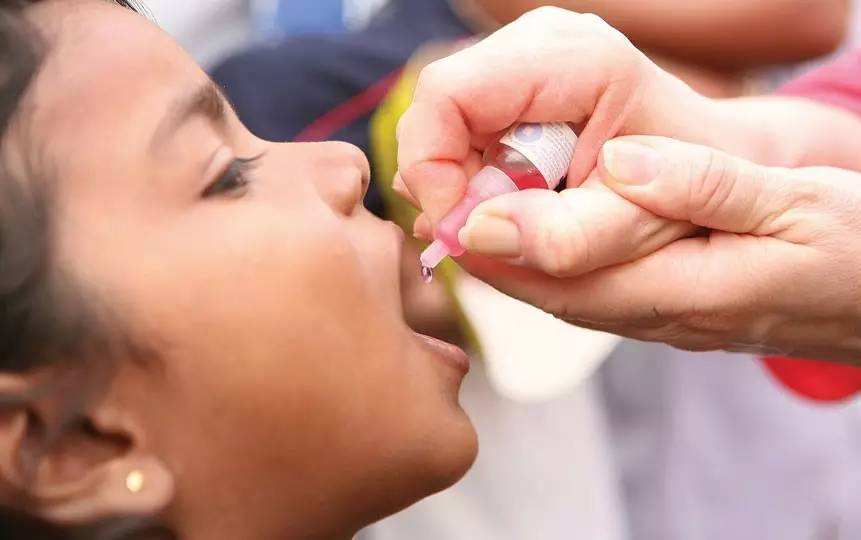
There is no cure for polio; it can only be prevented by immunization. The polio vaccine, given multiple times, can protect a child for life.
Vaccine
available
Prognosis
Paralysis is the most severe symptom associated with poliovirus because it can lead to permanent disability and death. Between 2 and 10 out of 100 people who have paralysis from poliovirus infection die, because the virus affects the muscles that help them breathe.
Even children who seem to fully recover can develop new muscle pain, weakness, or paralysis as adults, 15 to 40 years later. This is called post-polio syndrome.
Complication
Paralytic polio can lead to temporary or permanent muscle paralysis, disability, bone deformities and death.
Information Update
Page last reviewed: September 30, 2022
source: Centers for Disease Control and Prevention(https://www.cdc.gov/index.htm), Chinese Center for Disease Control and Prevention(https://www.chinacdc.cn/), World Health Organization(https://www.who.int//), Diagnosis and Treatment Protocol for COVID-19 Patients (Tentative 8th Edition) (Updated: 2020-09-07|en.nhc.gov.cn)